







Search Results for: pectin fermentation
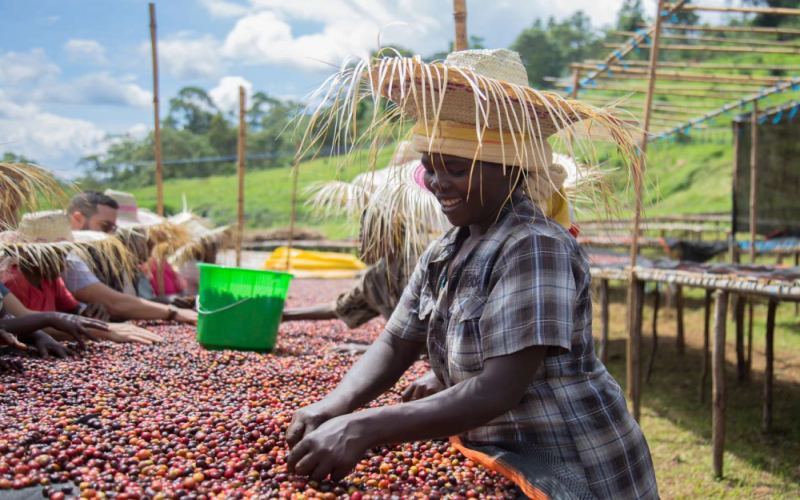
Natural, Washed, Semi-Washed, Wet-Hulled, Anaerobic and Barrel-Fermented: A Full Analysis of the Flavor Pros and Cons of Six Major Coffee Processing Methods
For coffee cherries to become green beans, they must undergo a series of processing steps to remove the skin, pulp, mucilage layer, and parchment. Different processing methods not only determine the appearance of the green beans but also profoundly shape the final flavor profile in the cup. Traditional natural, washed, semi-washed, and honey processing each have their adherents, while in recent years new methods such as anaerobic fermentation and barrel fermentation have emerged endlessly, bringing more possibilities to coffee flavor. This article will systematically sort out the operational processes, advantages and disadvantages, and flavor characteristics of these processing methods, interspersed with examples of several representative products under the Front Street Coffee brand, to help coffee enthusiasts build a clear cognitive framework for processing methods and have more direction when purchasing and tasting. [more…]
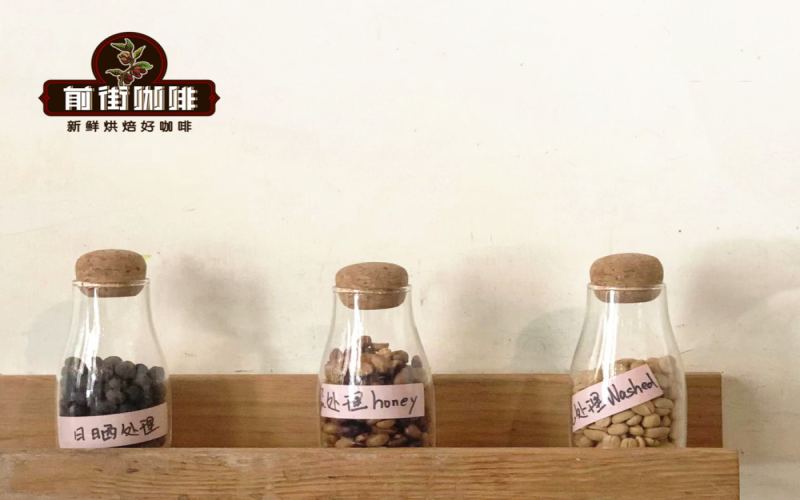
An Analysis of the Differences Among Black Honey, Red Honey, and Yellow Honey Processing: A Comprehensive Comparison from Pectin Retention to Flavor Expression
In the field of coffee post-processing, honey processing is an important method that falls between washed and natural, and is widely used in Central American producing regions such as Costa Rica. Depending on the proportion of mucilage retained, the drying time, and the frequency of turning, honey processing can be further divided into several tiers, including black honey, red honey, and yellow honey. Using three beans—black honey, red honey, and yellow honey—as samples, this article conducts a systematic comparison from green bean appearance and roasting curves to cupping flavors, helping coffee enthusiasts understand the practical impact of different honey processing methods on the final flavor direction, while also providing a reference for everyday purchasing and brewing. [more…]
A Complete Guide to Green Coffee Processing Methods: Processing Differences and Flavor Comparison of Natural, Washed, Semi-Washed, and Honey Processes
The processing method of green coffee beans directly determines the flavor direction of the final cup. From fruit to green bean, natural, washed, semi-washed, and honey processing each follow different craft paths, with their own trade-offs in cost, water consumption, and flavor performance. The natural method uses the natural drying of the fruit pulp to give the beans rich fruity aromas and a full-bodied sweetness, while the washed method removes pectin through fermentation, bringing a clean and bright acidity. Semi-washed seeks a balance between the two, and honey processing retains part of the pectin layer and dries directly, enhancing sweetness and body. Understanding the principles and pros and cons of each processing method is an important foundation for coffee lovers to understand flavor differences. This article will also recommend a number of representative processing-method coffee beans from Front Street Coffee for daily purchasing reference. [more…]
A Complete Guide to Coffee Bean Processing Methods: The Differences Between Traditional Washed, Natural, and Honey Processing and Anaerobic Fermentation Flavor-Enhancing Techniques
After coffee cherries are picked, they must go through a series of processing steps before they become the green beans we are familiar with, and different processing methods directly determine the direction of the flavor in the cup. Washed, natural, and honey processing are the three classic methods, and there are also diverse techniques such as semi-washed, semi-natural, and in-body fermentation. In recent years, anaerobic fermentation and flavor-enhanced processing have also sparked much discussion—how exactly do they differ from conventional processing? This time, Front Street Coffee will guide everyone through a systematic overview of the classification of coffee processing methods and their respective characteristics, from the swampy green appearance of semi-washed beans, to the pectin-derived sweetness of honey processing, and then to the clean, bright character of washed beans, breaking down one by one the process, flavor performance, and representative producing regions of each technique, helping coffee lovers build a clear cognitive framework. [more…]
A Complete Guide to Coffee Processing Methods: The Craft Differences and Flavor Comparison of Washed, Natural, and Honey Processing
Coffee bean processing is not simply washing, drying, or adding honey, but a set of refined procedures designed to remove the skin, pulp, and mucilage of the berry while preserving the quality of the coffee bean as much as possible so that it can be stored long term. Washed, natural, and honey processing, as the three mainstream methods, show significant differences in steps, green bean appearance, roasted bean characteristics, and final cupping flavor. This article will systematically sort out the specific operations of these three processing methods, teach you how to distinguish them by green bean color, roasted bean center line, and flavor performance, and include a selected bean list recommendation from Front Street brand to help you find the cup you like. [more…]

What Is the Difference Between Natural and Honey Processed Coffee Beans? From Processing Flow to Sweetness Performance, Explained Clearly at Once
Washed, natural, and honey processing are the three traditional coffee processing methods. Among them, natural and honey processing both carry sweetness and fermented notes, often making them hard to distinguish. From the perspective of Front Street Coffee, this article first introduces the structure of the coffee berry and the key points of screening before processing, then breaks down the complete processes of natural processing and honey processing respectively, including the drying and depulping steps of natural processing, the pectin retention ratio of honey processing, and the differences between yellow honey, red honey, black honey, and raisin honey processing. The article also compiles the roasting recommendations, cupping reports, and brewing parameters for two representative beans — Front Street Yirgacheffe Natural Red Cherry and the Front Street Musician Series Bach — helping coffee enthusiasts understand the source of flavor from the perspective of processing methods. [more…]
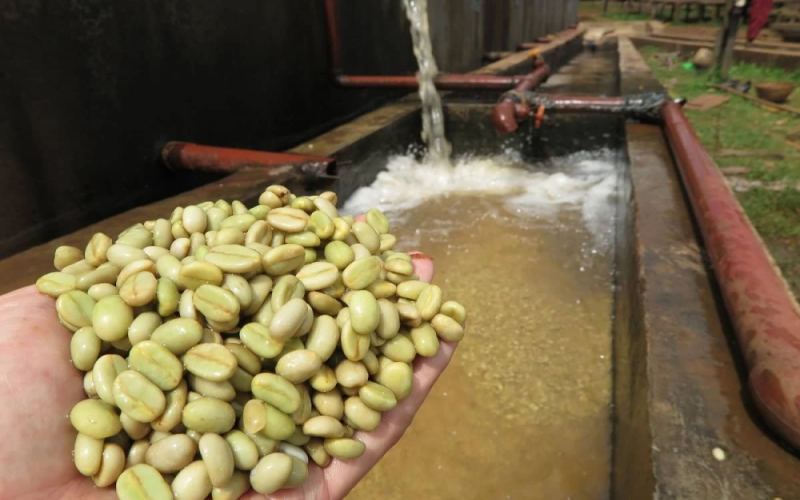
Analysis of the Fermentation Mechanism and Pros and Cons of the Washed Process: From Fruit Structure to Cup Flavor
As one of the most classic processing methods in the specialty coffee world, the core of the washed process lies in precisely removing the skin, pulp, and pectin layer from the coffee fruit through steps such as flotation, mechanical depulping, microbial fermentation, and washing with clean water. This process not only significantly reduces the defect rate of green beans and shortens the drying cycle, but also gives the coffee beans higher cleanliness and clearer expression of regional flavors. This article will systematically sort out the complete workflow and fermentation principles of the washed method, analyze its advantages and cost trade-offs compared with processing methods such as natural, and, in combination with the product lineup of Front Street Coffee's everyday drinking bean series, help readers understand why the washed process has become an important choice for presenting the true character of a producing region. [more…]
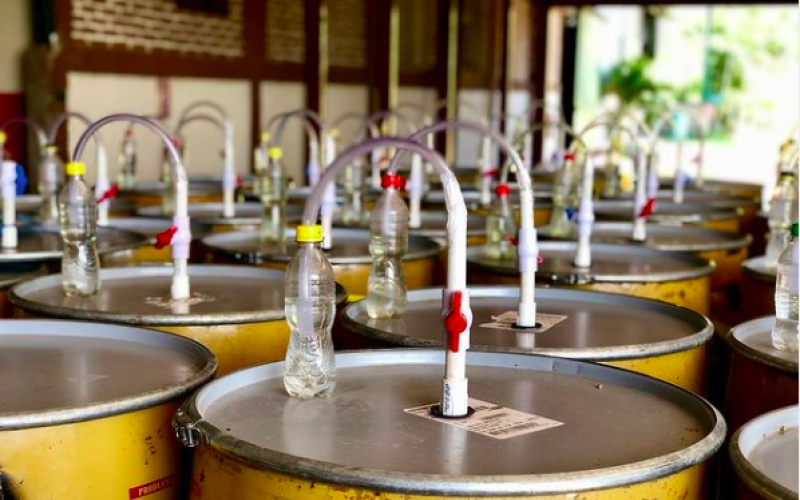
Analysis of the Principles of Enzyme Processing for Coffee Beans: A Complete Guide to the Differences Between Natural, Washed, and Honey Processes
The processing method of coffee beans directly determines the flavor direction of the final cup. Washed, natural, and honey—the three classic processes—each have different fermentation paths and flavor expressions. The enzyme processing method that has emerged in recent years introduces specific microbial strains for anaerobic fermentation on the basis of washed processing, in order to create more distinctive flavors. How exactly is this processing method carried out? And what are the essential differences between it and the three traditional processing methods? This article will break down the process details of each method one by one, and combine them with a number of representative beans from Front Street Coffee to help readers build a systematic understanding of coffee processing methods. [more…]
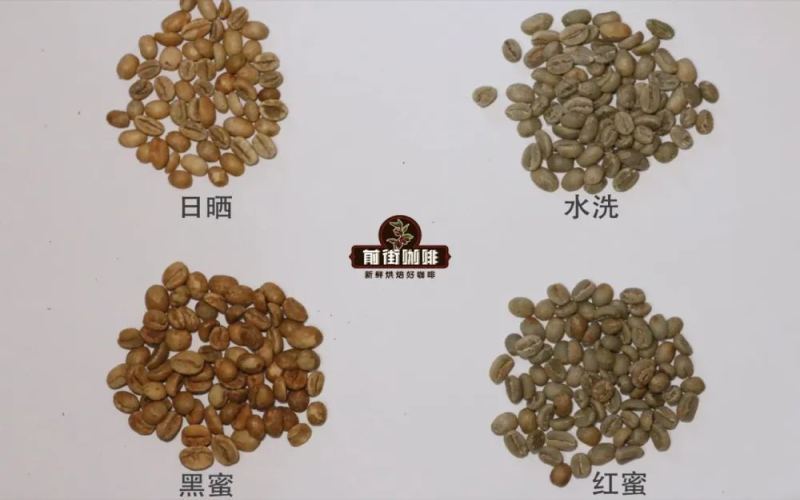
A Complete Guide to the Three Main Coffee Processing Methods: A Comparison of Natural, Washed, Honey, and Anaerobic Enzyme Processes
The flavor of coffee depends to a large extent on how the green beans are processed. Natural, washed, and honey processing, as the three classic methods, each present distinctly different flavor directions. In addition, enzyme processing and anaerobic fermentation have gradually entered the public eye in recent years, adding more possibilities to coffee. Front Street Coffee believes that using such fermentation techniques in moderation to create distinctive flavors is worthy of recognition, but if they are used to mask defects in the coffee beans themselves, that deviates from the original purpose of the processing method. This article will systematically sort out the specific procedures and flavor characteristics of these processing methods, and combine them with representative products on the Front Street coffee list to help coffee lovers build a clearer understanding. [more…]
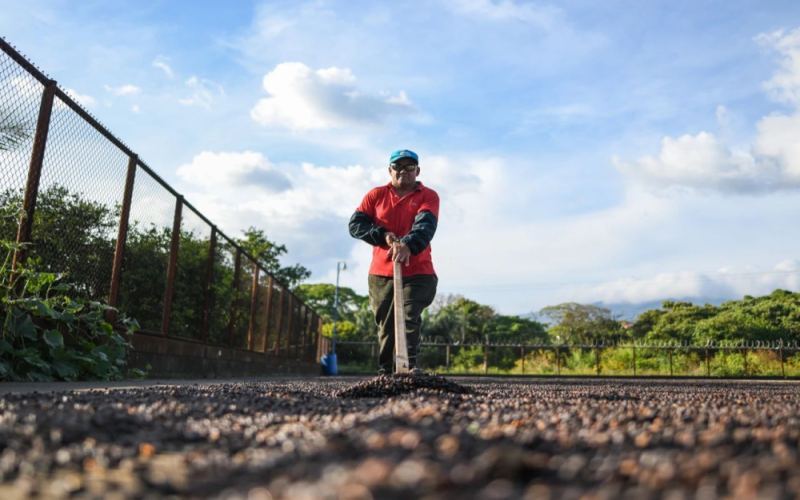
The Complete Guide to Costa Rican Honey Process Coffee: Black Honey Flavor Profile, Pour-Over Parameters, and Front Street Diamond Series Brewing Log
Honey processing is the most iconic coffee processing method in Costa Rica, but you may not know that, depending on the degree of mucilage retention, honey processing is further divided into multiple grades such as black honey, red honey, yellow honey, and white honey. This article starts with a Costa Rican Diamond Series black honey from Front Street Coffee, and sorts out the origins and evolution of honey processing, the process differences between the various grades, and the innovative raisin honey processing method that has become popular in recent years. The article also includes the roast curve, cupping report, and V60 pour-over parameters for this Front Street Coffee black honey coffee, including water temperature, coffee-to-water ratio, grind size, and staged pouring technique, making it easy for coffee enthusiasts to replicate at home. If you want to understand why honey-processed coffee has such pronounced sweetness and a rich, full-bodied mouthfeel, this content is worth reading carefully. [more…]

Black Honey Processing | Why do Costa Rican honey-processed coffee beans have high sweetness? What are some recommended high-quality pour-over coffee beans with prominent berry flavors?
Honey processing, translated from the English "Honey Process" or "Miel Process," the word "honey" in honey processing actually comes from Miel, which means "honey" in Spanish. The term honey processing originated in Costa Rica in Central America, where it was first [more…]
A Detailed Guide to Costa Rican Honey-Processed Coffee Bean Grades: Processing Differences and Flavor Comparison of Black Honey, Red Honey, Yellow Honey, and White Honey
Honey processing is a signature processing method for Costa Rican coffee, but many people do not know that, depending on the degree of mucilage retention, honey processing is actually divided into several grades, including black honey, red honey, yellow honey, and white honey. Each grade has its own requirements for the amount of mucilage removed, drying time, and turning frequency, and the resulting flavors are completely different. This article takes Front Street Costa Rica Diamond Series Black Honey as an example to break down in detail the processing characteristics and flavor trends of each honey grade, while also introducing the raisin honey process that has become popular in recent years, and includes Front Street Coffee's roasting curve, cupping report, and brewing parameters to give you a comprehensive understanding of the appeal of Costa Rican honey processing. [more…]

Washed Coffee Beans Pros and Cons | What Is the Washed Processing Method for Green Coffee? How Are Washed Beans Roasted? Recommended Delicious Washed Single-Origin Beans from African Regions
Everyone's demand for coffee is growing stronger by the day, with global coffee bean production reaching as high as 8.4 billion kilograms annually—an astonishing output. When it comes to coffee, Front Street believes that beyond variety, origin, and cultivation methods, there is another important process that influences coffee flavor: coffee bean processing methods. Different processing methods for coffee beans [more…]

A Complete Guide to the Washed Coffee Processing Method: From Pectin Fermentation to Flavor Expression, Processing Steps, and Pros and Cons
The flavor of coffee beans depends not only on variety and origin—the processing method also plays a key role. This article systematically walks through the complete washed processing method—from removing floating beans and separating the skin and pulp, to fermenting away the mucilage, rinsing with clean water, and drying and hulling—and takes an in-depth look at the advantages and disadvantages of the washed method in terms of quality, appearance, cost, and water usage. At the same time, Front Street Coffee uses two washed beans—Kenya Asaliya and Yirgacheffe Gutingding—as examples to compare the flavor differences brought by different origins, altitudes, and varieties under the same processing method, helping readers build a more well-rounded understanding of washed coffee. [more…]
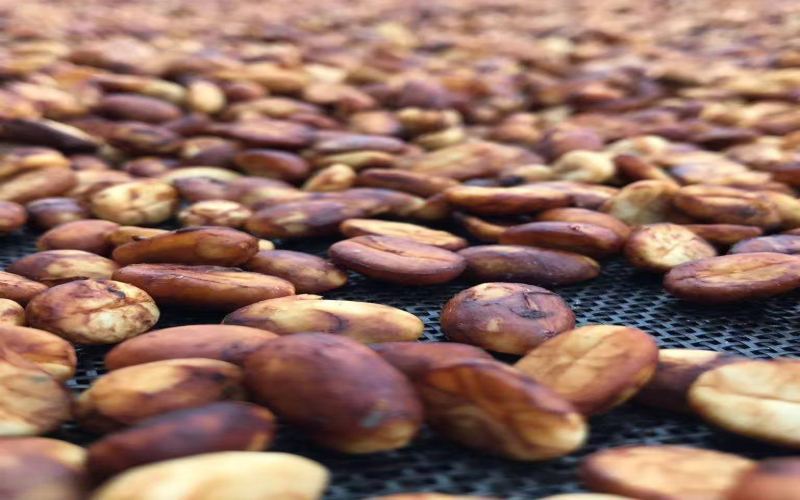
Honey Processed Coffee Classification Explained: Pectin Retention and Flavor Differences Between Black Honey, Red Honey, Orange Honey, Yellow Honey, and White Honey
Honey processing does not mean processing coffee with honey; rather, it is a green bean processing method that retains mucilage for fermentation and drying. It originated from Brazil's pulped natural method and was later improved in Central and South America, being subdivided by mucilage retention and turning frequency into types such as black honey, red honey, orange honey, yellow honey, and white honey. Different honey colors correspond to different drying durations, turning frequencies, and cup flavors. This article will break down everything from the structure of the coffee cherry and the properties of mucilage to each honey processing grade, and includes Front Street Coffee's Guatemala New Oriental Geisha recommendation and pour-over suggestions to help coffee lovers understand the source of sweetness in honey processing and the key brewing points. [more…]
Honey-Processed Coffee Beans: A Complete Guide to Pectin Retention and Flavor Differences from White Honey to Black Honey
Honey processing is not about processing coffee beans with honey, but rather about retaining different proportions of mucilage for fermentation and drying, thereby creating a rich layering of sweetness and fruity notes. This article will trace the evolution of honey processing from Brazil's pulped natural method to its refinement in Central and South America, explain in detail the key role of mucilage in fermentation, and compare one by one the mucilage retention, drying duration, turning frequency, and raw bean appearance and aroma characteristics of white honey, yellow honey, red honey, and black honey. At the same time, the article also introduces the honey-processed Guatemala New Oriente Geisha on Front Street Coffee's bean list, whose sweet orange, toffee, and bergamot flavors are deeply impressive. [more…]

Analysis of Flavor Differences Between Semi-Washed and Honey-Processed Coffee: Processing Methods, Taste Characteristics, and Brewing Suggestions for Front Street Coffee Beans
Semi-washed and honey processing both belong to the category of methods where the fruit skin is removed and the beans are dried directly, yet they present截然不同的 flavor directions due to differences in how much pectin is retained and the drying conditions. Semi-washed originated in Brazil; it is simple to operate and suitable for large-scale production, with a flavor profile leaning toward nuts, chocolate, and caramel; honey processing began in Costa Rica and, depending on the proportion of pectin retained, is classified into yellow, red, and black grades, with sweetness and aroma being more prominent. This article will systematically sort out the process steps, flavor characteristics, and grading logic of the two, and, combined with Front Street Coffee's Brazil Red Bourbon and Costa Rica Honey Process Geisha, provide specific brewing parameters and technique suggestions to help coffee enthusiasts understand the differences and apply them to daily brewing. [more…]
What Are the Flavor Differences Between Semi-Washed and Honey-Processed Coffee Beans? A Full Breakdown of the Processing Methods, Grading, and Brewing
Semi-washed and honey processing both belong to the category of processing methods where the fruit skin is removed and the beans are dried directly, yet a single key difference has led them to evolve into completely different flavor profiles. Semi-washed originated in Brazil, skips the water tank fermentation step, and is suitable for commercial large-scale operations; honey processing was improved by Costa Rican farmers building on semi-washed, and is further divided into yellow honey, red honey, and black honey based on the amount of mucilage retained. This article will comprehensively sort out the operational procedures, flavor characteristics, and grading logic of these two processing methods, and, combining Front Street Coffee's Brazil Red Bourbon and honey-processed beans, provide targeted brewing parameters and technique suggestions to help coffee enthusiasts understand exactly how the two differ and what taste preferences each suits. [more…]
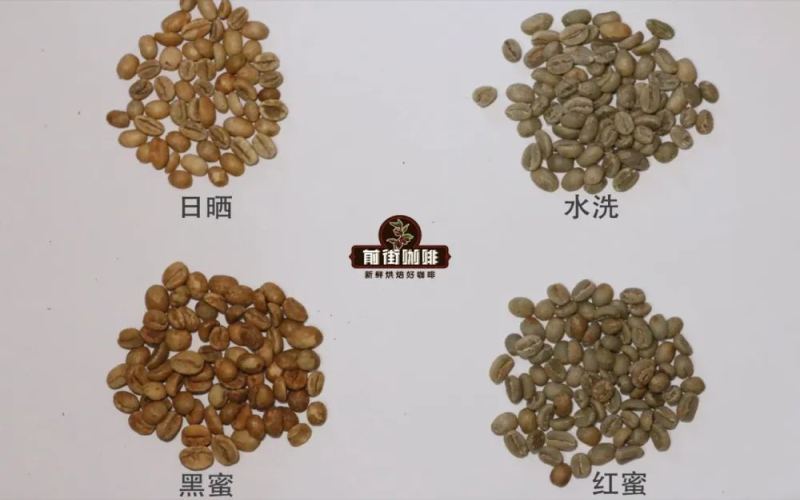
Which coffee varieties are suitable for the washed process? A detailed explanation of the flavor characteristics of washed coffee beans and the complete processing flow
The washed processing method is one of the most common and most highly regarded processing methods in specialty coffee, known for its clean flavor, bright acidity, and uniform bean appearance. This article, from the perspective of Front Street Coffee, will systematically explain the structure of the coffee fruit, each step of the washed process, and the advantages, disadvantages, and flavor characteristics of washed beans. Through a comparative experiment between two washed beans—Kenya Asaliya and Yirgacheffe Gediding—it will demonstrate how the same processing method can present completely different flavor profiles under different origins, varieties, and altitude conditions. [more…]
Sun-Dried vs. Washed Coffee Bean Processing Methods: A Professional Comparison from Fruit Structure to Flavor Expression
The annual global production of coffee beans reaches as high as 8.4 billion kilograms, and what influences the final flavor of a cup of coffee, besides variety, origin, and cultivation methods, is another crucial step—the processing method. Front Street Coffee believes that different processing methods lead to entirely different flavor directions. This article will provide an in-depth analysis of the complete process and characteristics of the washed processing method, starting from the anatomical structure of the coffee fruit, gradually breaking down each step of the washed method, and comparing the core differences with the natural method. At the same time, Front Street Coffee uses two washed beans, Kenya Asaliya and Yirgacheffe Gudingding, as examples, and through actual brewing experiments, demonstrates the flavor changes brought by different origins and varieties under the same processing method, helping coffee enthusiasts build a clearer framework for taste perception. [more…]